
Chafed Skin: Causes, Treatments, and How to Prevent It for Good
Posted by Jack Miller on 17th Jan 2026
Chafed skin is a common and uncomfortable issue that affects people of all ages, especially during warm weather, physical activity, or long days on your feet. Whether it’s caused by exercise, work, or everyday movement, chafing can quickly turn from mild irritation into painful, inflamed skin if not treated properly. Understanding how to soothe chafed skin and prevent it from happening again is key to staying comfortable and active.
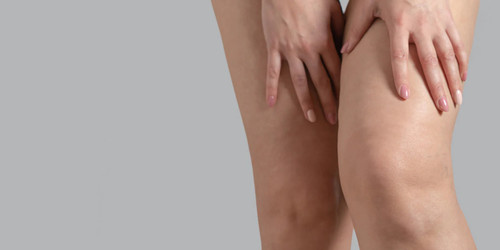
Chafing occurs when repeated friction irritates the skin, often worsened by heat, sweat, and moisture. Common areas include the inner thighs, underarms, groin, and around clothing seams. The skin may become red, tender, raw, or even cracked. Left untreated, chafed skin can lead to infection or prolonged discomfort, making early care essential.
When chafing first appears, the priority is to calm and heal the affected skin. Start by gently cleaning the area with lukewarm water and a mild, fragrance-free cleanser to remove sweat and bacteria. Pat the skin dry—never rub, as this can further irritate the area. Allowing the skin to breathe whenever possible helps speed up recovery.
There are several treatments available to help soothe chafed skin. Barrier creams and balms create a protective layer that reduces further friction while moisturizing the skin. Products containing ingredients like zinc oxide, aloe vera, or shea butter can help calm inflammation and promote healing. Anti-chafing powders can also help absorb moisture and keep the skin dry, although they may need frequent reapplication, especially in hot or humid conditions.
Cold compresses can provide temporary relief for burning or stinging sensations, while over-the-counter healing ointments can support skin repair overnight. If the skin is broken or shows signs of infection, such as swelling or oozing, it’s important to stop activity and seek medical advice before resuming normal movement.
While treatments are helpful, preventing chafing is the best long-term solution. Choosing the right clothing makes a significant difference. Opt for breathable, moisture-wicking fabrics rather than cotton, which traps sweat. Properly fitted clothing reduces rubbing and prevents fabric from bunching in high-friction areas.
One of the most effective preventative measures for inner thigh chafing is wearing anti-chafing thigh guards. These guards act as a physical barrier between the thighs, completely eliminating skin-on-skin friction. Unlike creams or powders that wear off, thigh guards provide consistent, all-day protection and stay in place during walking, exercise, or long periods of standing. They can be worn discreetly under everyday clothing, dresses, or athletic wear.
Maintaining healthy skin also helps prevent chafing. Staying hydrated, keeping skin clean and dry, and addressing irritation early all contribute to long-term comfort. By combining effective treatments with reliable preventative solutions like anti-chafing thigh guards, you can protect your skin, stay active, and avoid the recurring discomfort of chafed skin—no matter the season or activity.